Database Icons: A Designer’s Practical Take on Real Embroidery Use
If you're an embroidery designer or a creative entrepreneur who thrives on adding visual interest to handmade products, the Database Icons design pack might just be the kind of detail-oriented asset you’ve been looking for. These icons are crafted with precision and clarity in mind, making them versatile enough for both personal and commercial embroidery projects. But before you start stitching, it's important to evaluate how they perform in real-world applications.
First Impressions: Clean, Modern, and Professional
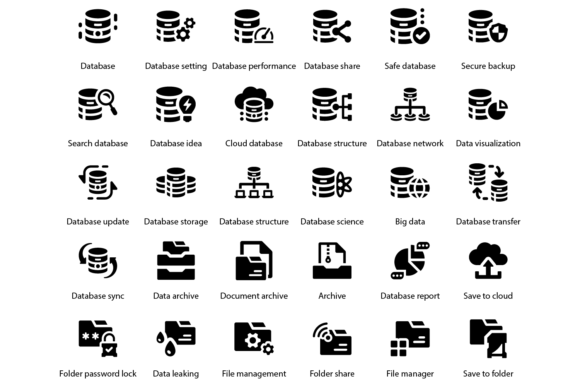
The first thing I noticed when unzipping the Database Icons digital embroidery file was the level of polish. The shapes are geometrically balanced, the themes are cohesive across the set, and the layout suggests a thoughtful approach to scalability and readability. As a designer who values aesthetics and functionality, I appreciated the attention to detail—especially in the way each icon maintains its identity even at smaller sizes.
What stands out is the mood these icons convey. They’re modern, slightly techy, yet not overly flashy. That subtle balance makes them ideal for a wide range of embroidered items—from custom apparel like sweatshirts and tote bags to more niche pieces such as baby items or boutique branding materials. Their visual personality leans toward the professional side, which is great if you're aiming to elevate the look of your handmade product without going overboard.
Real-Life Scenario: Custom Tote Bag for a Boutique Brand
To test this design in practice, I decided to use one of the Database Icons on a custom tote bag for a local boutique. The chosen icon was a stylized “cloud” symbol paired with a simple database node graphic. I stitched it using a combination of satin stitch for the outlines and fill stitch for the inner elements. The result? A clean, recognizable motif that added a touch of sophistication without overwhelming the design space.
What really impressed me was how well the icon held up after washing the tote bag. It didn’t distort or lose its shape, which is crucial for a product that will be handled frequently. Customers were intrigued by the design; some asked about the meaning behind the icon, while others simply admired its crispness. This kind of engagement is what makes a good embroidery design valuable—not just visually, but conversationally too.
Where Database Icons Shine in Embroidery Projects
- Sweatshirt Embroidery: The bold lines and minimal shading work beautifully on thicker fabrics. The design doesn't get lost in the texture of cotton fleece.
- Tote Bag Design: Whether embroidered on canvas or linen, the icons maintain their sharp edges and clear forms, contributing to a polished final product.
- Baby Embroidery: The gentle, non-aggressive nature of the icons suits soft and pastel-themed items, especially when used subtly on onesies or nursery decor.
- Embroidered Patches: The structured layout of the icons translates well into patch designs, especially when backed with felt stabilizer for durability.
- Holiday Gifts: When combined with seasonal text or motifs, the icons add a unique twist that sets your personalized gift apart from generic options.
- Commercial Embroidery: The consistency and clarity of the icons make them suitable for small shop merchandise and branded items. They can help build brand recognition through repeated use.
Use with Caution: Limitations and Considerations
While the Database Icons are impressive overall, there are certain situations where they may not perform as expected. For example, I found that placing the icon on a curved surface like a cap resulted in slight distortion unless the hoop size and positioning were carefully adjusted.
Here are a few scenarios where extra care is needed:
- Small Hoop Sizes: Some icons have fine details that can get lost or misaligned if the hoop is too small. Always confirm the recommended hoop size before starting a project.
- Textured or Stretchy Fabrics: On materials like flannel or stretch knits, the stitch density can affect the outcome. You may need to adjust the stabilizer or thread tension accordingly.
- Dense Stitch Areas: While the design isn’t overly complex, dense areas of fill stitch can cause puckering on delicate fabrics. Testing is key here.
- Dark Fabric Backgrounds: Thread color contrast matters. If you're using light threads on dark fabric, consider reinforcing the outline with a darker shade to improve visibility.
- Products That Need Frequent Washing: Though the design holds up well, always test the finished piece to ensure it won’t fray or pill after multiple washes, especially if you're planning to sell custom apparel or household items.
Designer Notes: Making the Most of Database Icons
Before committing to a full production run, I recommend doing the following:
- Test the design on scrap fabric similar to what you'll be using for the final product.
- Check thread colors against your fabric to ensure proper contrast and visibility.
- Review stitch density, especially in fill areas, to avoid issues like puckering or stiffness.
- Confirm the hoop size required for the design and adjust your setup accordingly.
- Inspect small details like corners or tiny lines to see if they remain intact after stitching.
- Create a black and white mockup to evaluate how the design would appear if printed or viewed in grayscale.
- Compare the design on both light and dark fabric backgrounds to ensure adaptability.
- Use the appropriate stabilizer depending on the fabric type—cutaway for stretchy materials, tear-away for woven.
- If you plan to resell the finished product or offer digital embroidery files, double-check licensing terms to stay compliant.
Visual Appeal and Customer Engagement
One of the biggest strengths of Database Icons is their ability to communicate a sense of organization and reliability. In a world where visual storytelling is essential, these icons help create a narrative around your product. Whether you're designing a craft business logo, a printable mockup for Etsy, or a line of holiday gifts, having a consistent and recognizable icon style can significantly enhance customer trust and buyer engagement.
I also found that the design contributes to the perceived professionalism of the final product. Even in casual settings, like a hand-stitched kitchen towel or a personalized apron, the presence of a clean, well-structured icon elevates the overall presentation. It signals quality and intentionality, which are big pluses for any Etsy seller or small shop product creator.
Design Consistency and Branding Potential
For those running a craft business or building a brand around embroidered patches and nursery decor, maintaining visual consistency is critical. The Database Icons offer a uniform look that works across different scales and placements, helping you keep your brand identity strong and recognizable.
They also serve well as decorative accents. Placed near text or other motifs, they don’t compete but instead support the main message. This makes them particularly useful in infographics, illustrations, or promotional materials where clarity is key.
Final Thoughts: A Thoughtful Addition to Your Design Toolkit
In my experience, Database Icons are a reliable and aesthetically pleasing choice for many embroidery projects. Their structured appearance and high-quality design make them suitable for both personal creations and commercial ventures. However, like any embroidery asset, they require thoughtful application. Not every icon will suit every fabric or item, so testing is essential before mass production.
As a designer, I appreciate the flexibility and professionalism these icons bring to the table. They’re not just another set of graphics—they’re a practical solution for adding value and visual appeal to your handmade product. Just remember to factor in fabric type, placement, and intended use to ensure the best results.
If you're an embroidery designer or a creative entrepreneur looking to expand your design assets, Database Icons could be a smart investment. They offer the kind of detail and versatility that helps turn a simple project into something memorable—and maybe even marketable.